Crop factor calculator
Equivalent focal length depends on your camera and on the format the lens was designed for. Whichever is smaller sets the framing.
Calculator
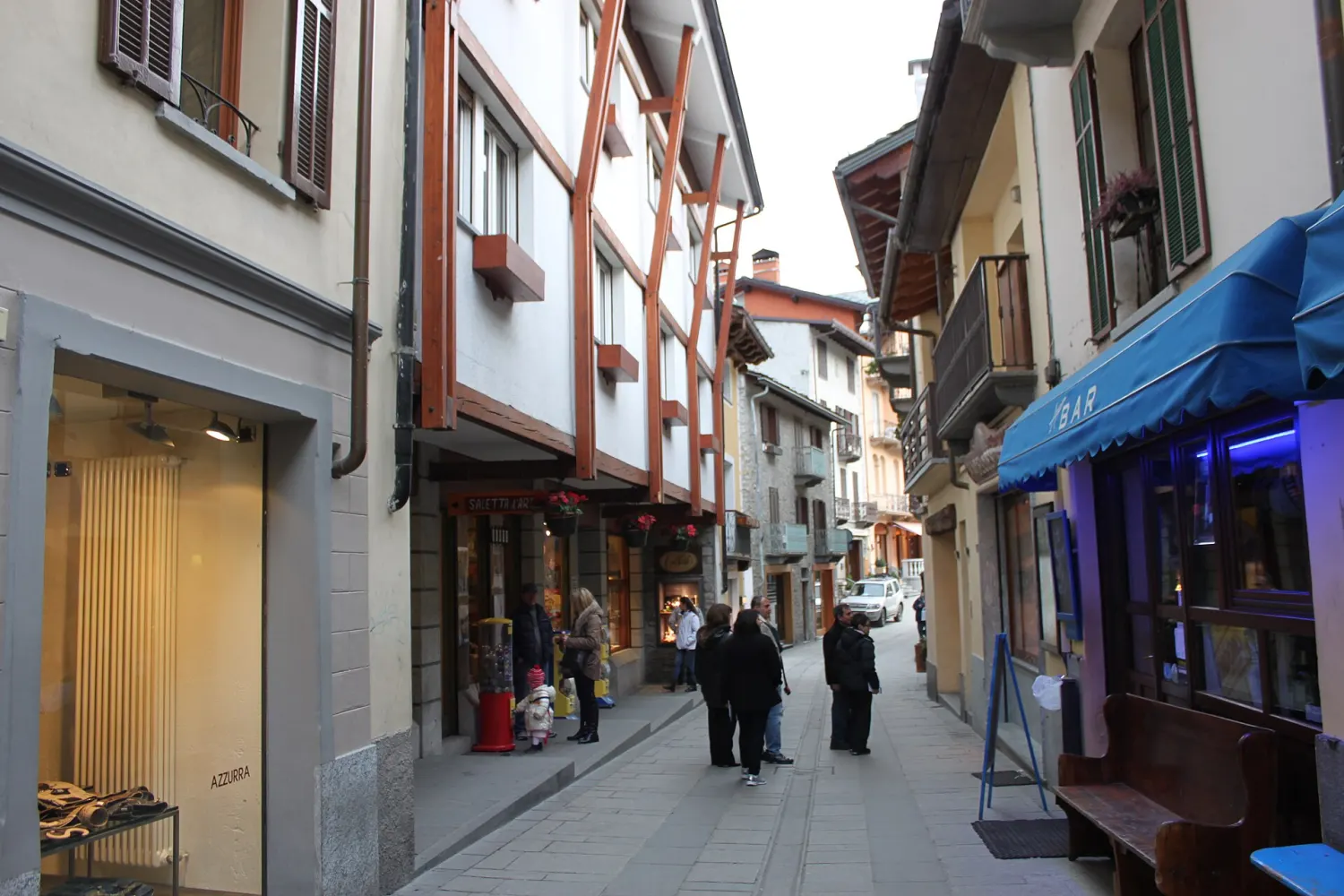 Full frame · 50 mm
A 50 mm f/1.8 full-frame lens on an APS-C camera frames like 75 mm f/2.7 on full frame. The sensor is smaller than the lens, so it crops the image and every pixel is used. The other way around, a 50 mm APS-C lens on a full-frame camera also frames like 75 mm, because that camera crops to the smaller lens and uses fewer pixels. Exposure doesn't change.
Photo: Avisadehh, CC0, via Wikimedia Commons
- Equivalent focal length
- 75mm
- 50 mm × 1.5 · sensor crops the lens
- Equivalent aperture · depth of field
- f/2.7
- f/1.8 × 1.5
- Exposure · unchanged
- f/1.8
- Same shutter speed and ISO on any sensor
A 50 mm lens, by camera and by the format the lens was designed for. "Crops" means the lens is smaller than the sensor, so the camera keeps only the lens's image circle. The dashed cell swaps your camera and lens format: the equivalent focal length is the same.
| Camera | Full-frame lens 1× | APS-C lens 1.5× | APS-C (Canon) lens 1.6× | Micro Four Thirds lens 2× |
|---|---|---|---|---|
| Full-frame camera 1× | ||||
| APS-C camera 1.5× | ||||
| APS-C (Canon) camera 1.6× | ||||
| Micro Four Thirds camera 2× |
Blur disc of a far background, as a share of the frame width.
Common lenses, full-frame equivalent
| Lens | Full frame 1× | APS-C 1.5× | APS-C (Canon) 1.6× | Micro Four Thirds 2× |
|---|---|---|---|---|
| 24 mm f/1.4 | 36 mm f/2.1 | 38 mm f/2.2 | 48 mm f/2.8 | |
| 35 mm f/1.8 | 53 mm f/2.7 | 56 mm f/2.9 | 70 mm f/3.6 | |
| 50 mm f/1.8 | 75 mm f/2.7 | 80 mm f/2.9 | 100 mm f/3.6 | |
| 85 mm f/1.8 | 128 mm f/2.7 | 136 mm f/2.9 | 170 mm f/3.6 |
Real lenses for 50 mm and 85 mm framing
About 50 mm on Full frame
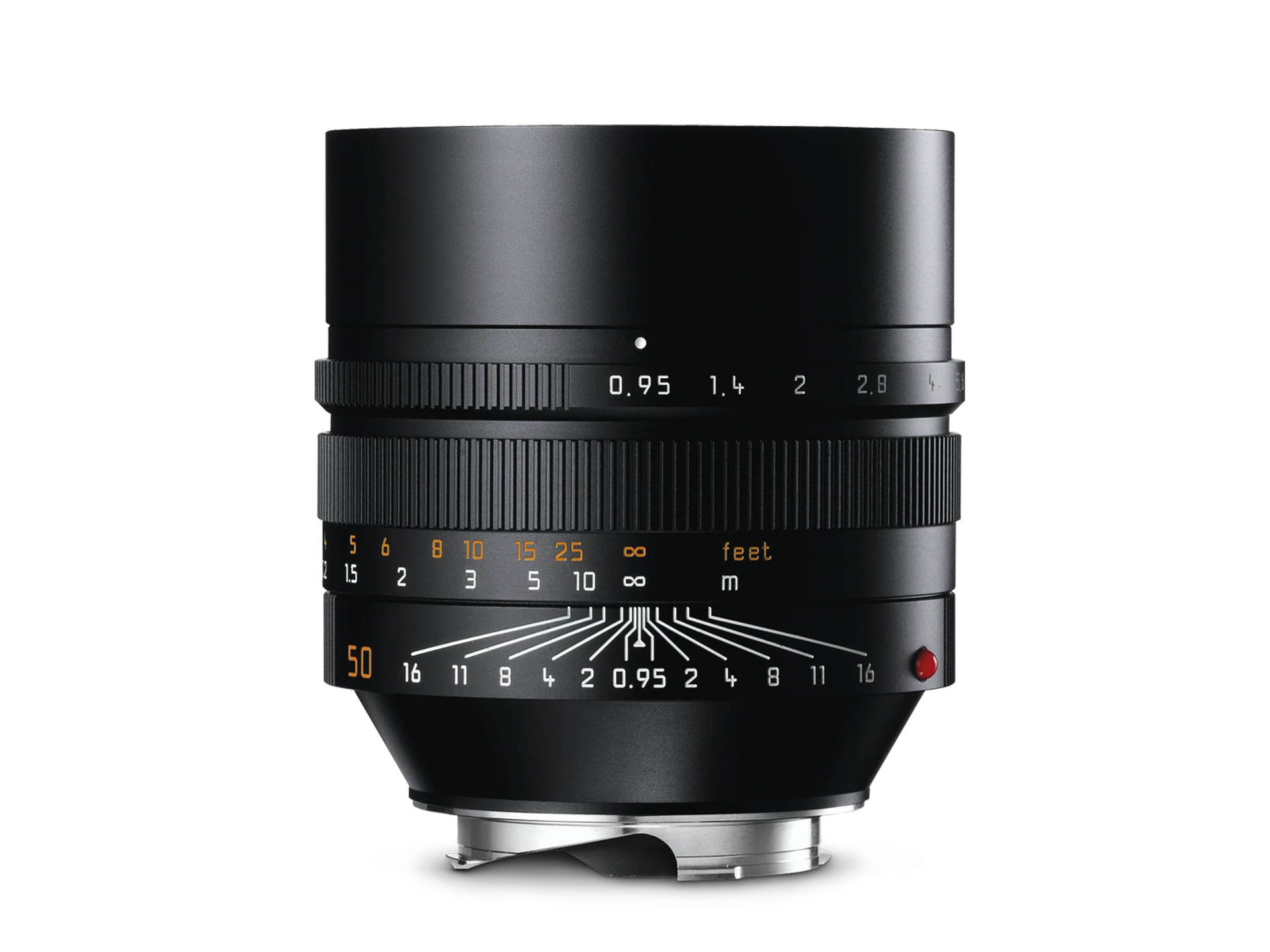
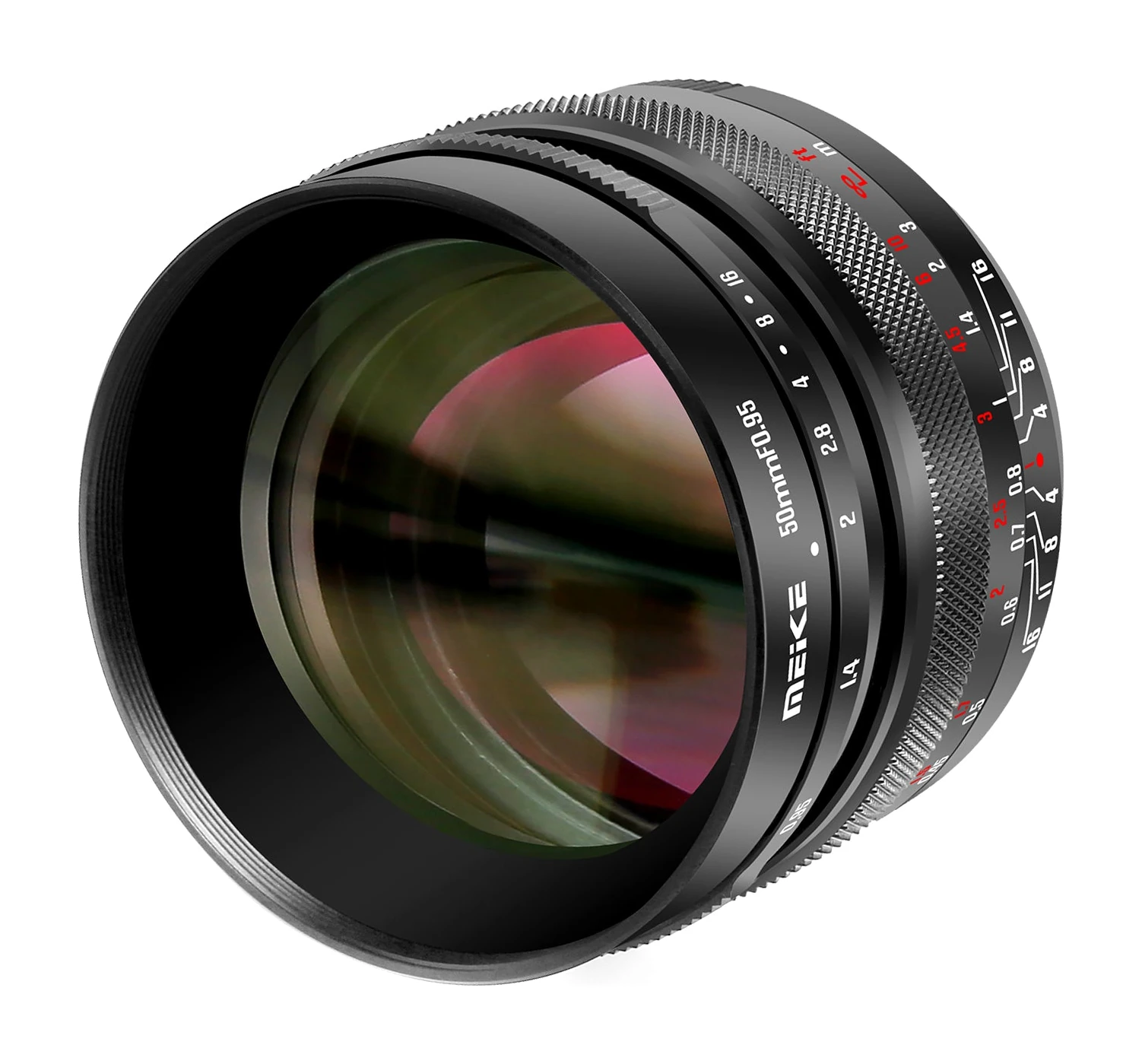
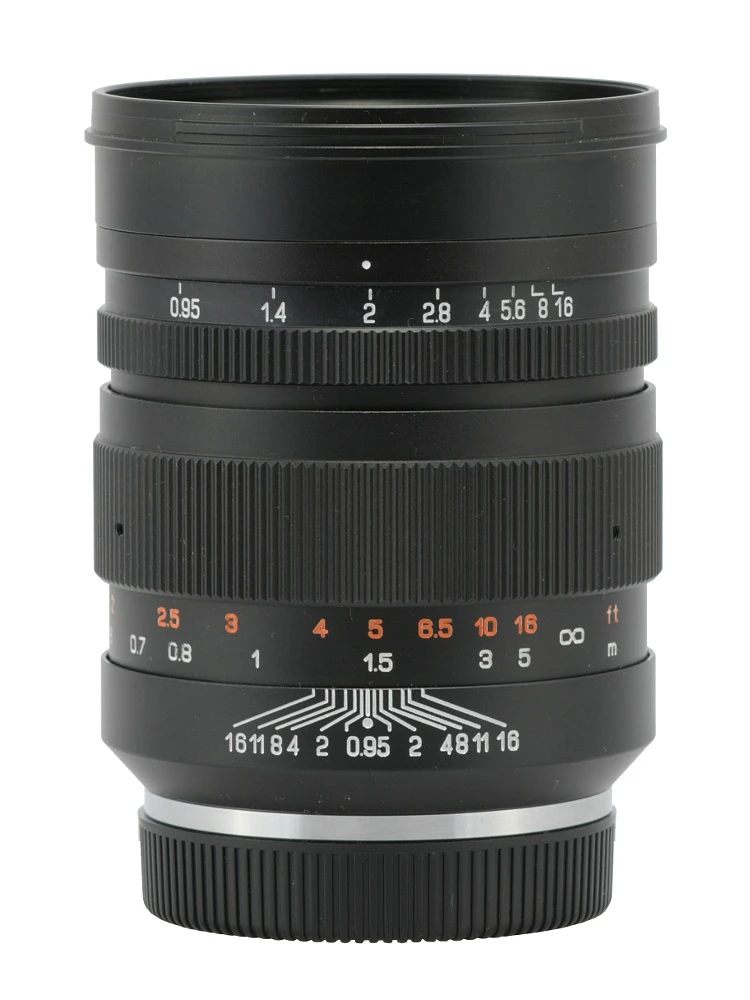
About 85 mm on Full frame
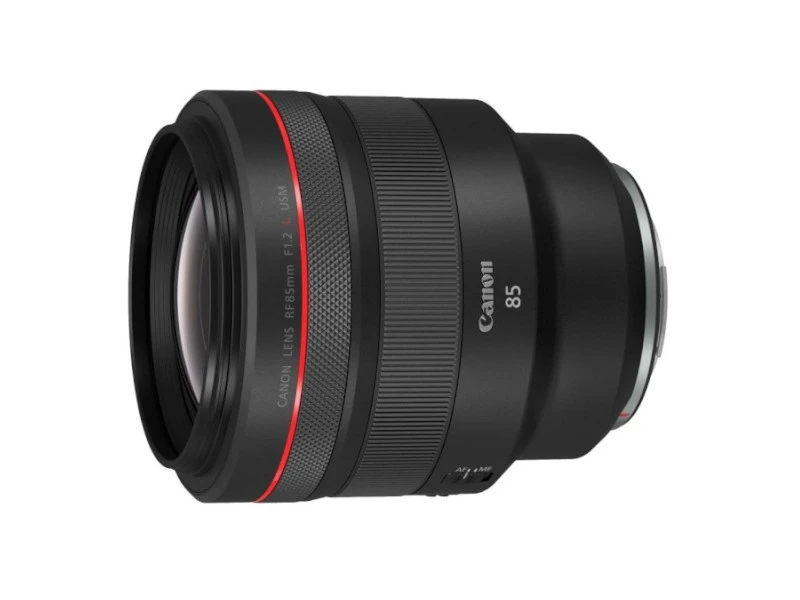
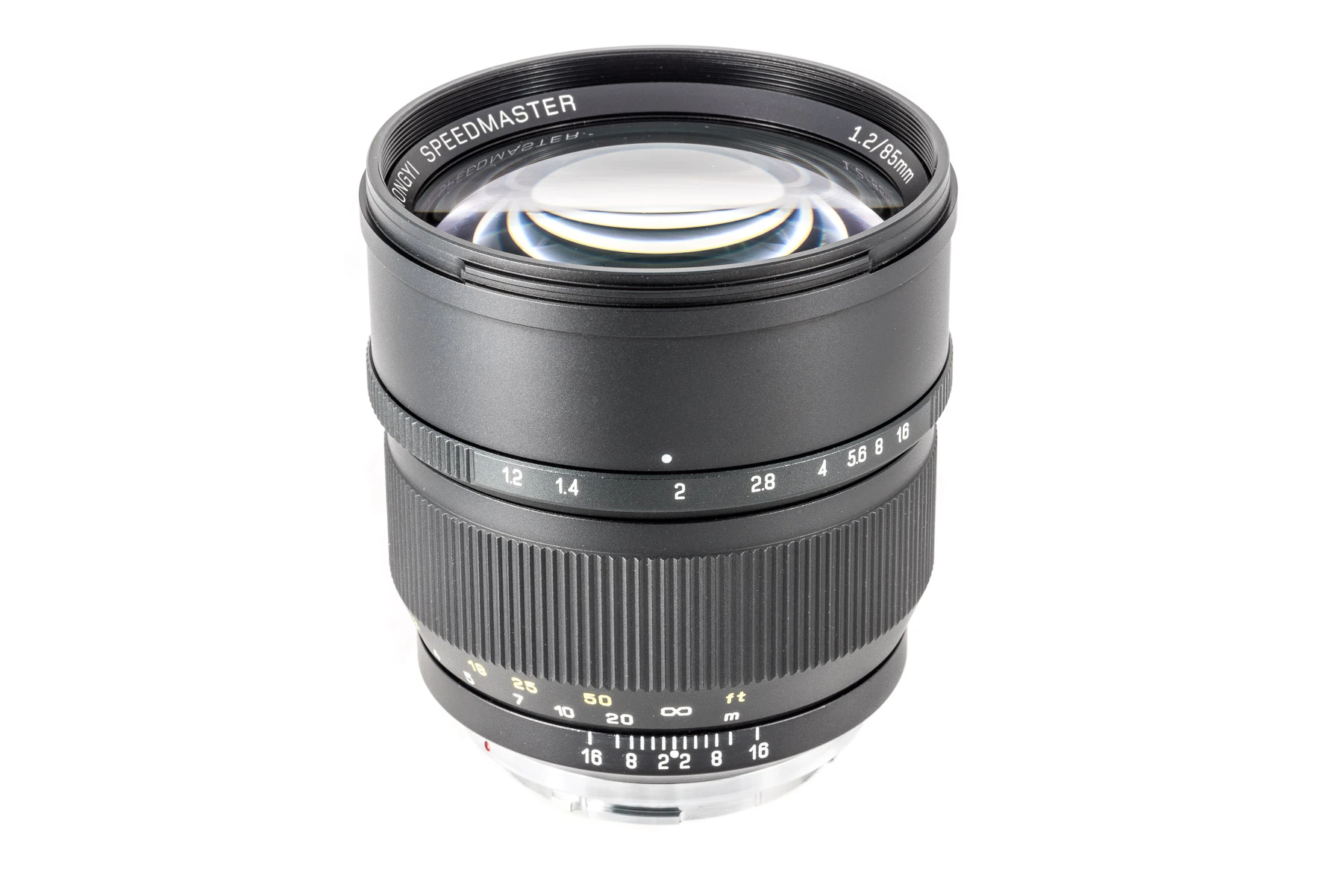

About 50 mm on APS-C


About 85 mm on APS-C
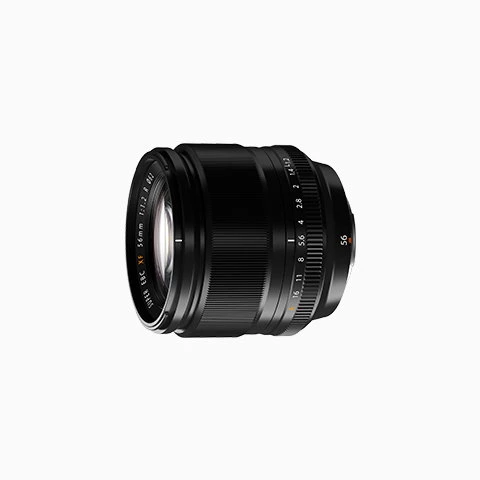


About 50 mm on APS-C (Canon)


About 85 mm on APS-C (Canon)


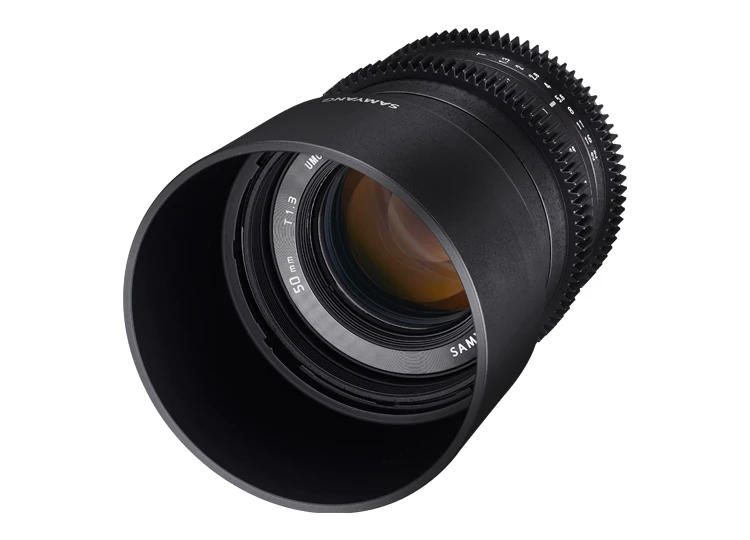
About 50 mm on Micro Four Thirds


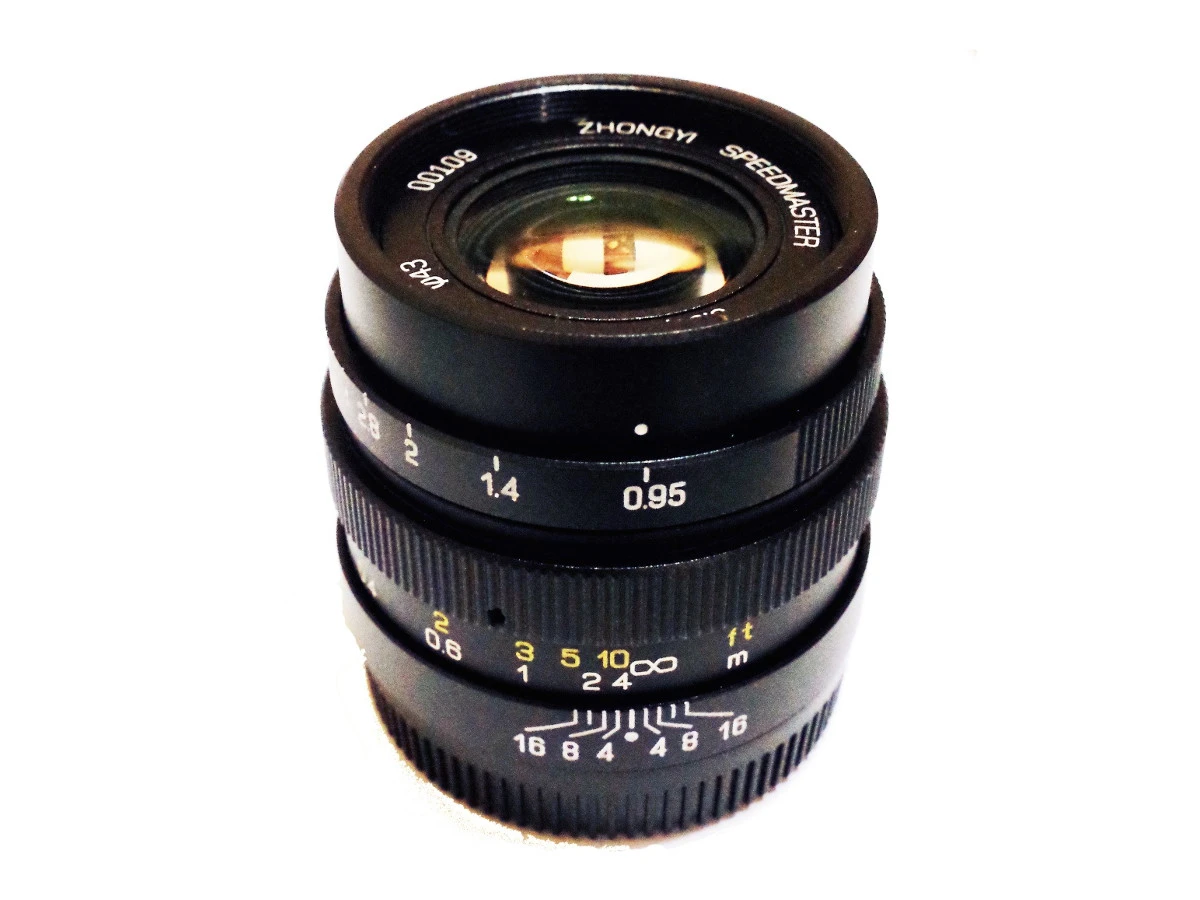
About 85 mm on Micro Four Thirds
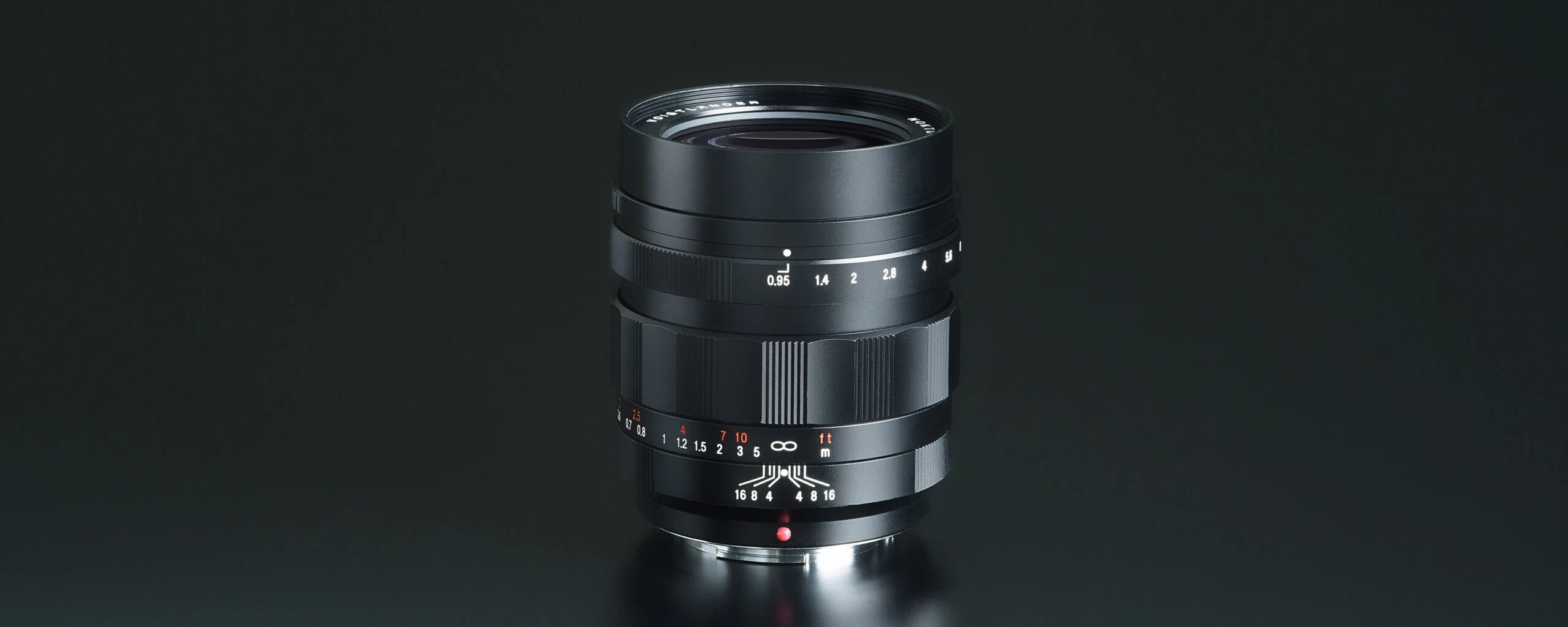
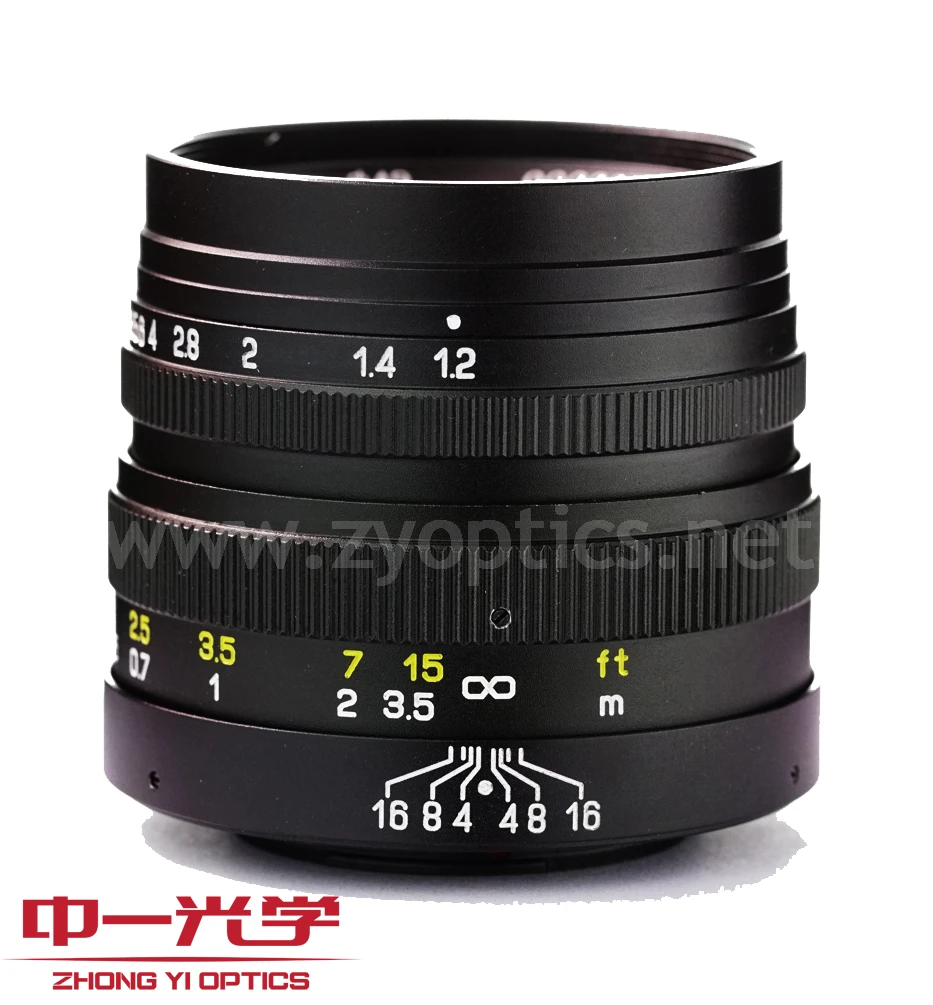

How it works
The crop factor is how much smaller a sensor is than a full-frame (36 × 24 mm) one, measured across the diagonal. APS-C is about 1.5× (Canon's is 1.6×) and Micro Four Thirds is 2×.
Framing: multiply the focal length by the crop factor. A 50 mm lens on APS-C shows what a 75 mm lens shows on full frame. The lens itself doesn't change; the smaller sensor records less of its image.
Lens format: a lens made for a smaller sensor has a smaller image circle. A 50 mm APS-C lens on a full-frame camera doesn't cover the sensor, so the camera crops to that circle and frames like 75 mm, using fewer pixels. A 50 mm full-frame lens on an APS-C camera also frames like 75 mm: the sensor does the cropping, and every pixel is used. The smaller format sets the equivalent either way.
Depth of field: multiply the f-number by the crop factor too. At the same framing, 50 mm f/1.8 on APS-C has about the background blur of 75 mm f/2.7 on full frame.
Field of view: the diagonal angle is 2·atan(43.27 / (2 × focal length × crop factor)), where 43.27 mm is the diagonal of a full-frame sensor. 50 mm on full frame covers 46.8°.
Background blur: for a subject 2 m away and a background far behind it, the blur disc on the sensor is focal length² / (f-number × (2000 mm − focal length)). We show it as a share of the frame width (36 mm ÷ crop factor), so different sensors compare fairly. 85 mm f/1.8 on full frame gives 5.8%; 50 mm f/1.8 on APS-C gives 3.0%.
Exposure: doesn't change. f/1.8 is f/1.8 on any sensor, so the shutter speed and ISO for a correct exposure stay the same.